奥野修司の作品一覧
「奥野修司」の「魂でもいいから、そばにいて―3・11後の霊体験を聞く― 無料お試し版」「皇太子誕生」ほか、ユーザーレビューをお届けします!
- 作者をフォローする
- フォローすると、この作者の新刊が配信された際に、お知らせします。
無料マンガ・ラノベなど、豊富なラインナップで201万冊以上配信中!
「奥野修司」の「魂でもいいから、そばにいて―3・11後の霊体験を聞く― 無料お試し版」「皇太子誕生」ほか、ユーザーレビューをお届けします!
立命館大学経済学部卒。1998年『28年前の『酒鬼薔薇』は今』で第4回編集者が選ぶ雑誌ジャーナリズム賞受賞。『ナツコ 沖縄密貿易の女王』で第27回講談社ノンフィクション賞・第37回大宅壮一ノンフィクション賞受賞。その他著書に『心にナイフをしのばせて』、『ねじれた絆―赤ちゃん取り違え事件の十七年』などがある。
小説・文芸
ビジネス・実用

ビジネス・実用
小説・文芸
小説・文芸
小説・文芸
ビジネス・実用

ビジネス・実用
小説・文芸
小説・文芸
小説・文芸
小説・文芸
小説・文芸

ビジネス・実用

小説・文芸
小説・文芸
小説・文芸
小説・文芸
小説・文芸
小説・文芸
Posted by ブクログ
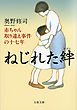
沖縄で起こった取り違え事件。
沖縄では、経済的、教育的な差は各家庭に根強く存在している。今でもそう。親の教育や学校での指導が弱いとかではなく、別々の要素が複雑に絡み合った郷土性の問題である。
子供の取り違えにより、ある程度成長した子を元の家族に返したとして、その子の生活様式の中にあった経済的教育的価値観は生活様式の刷り込みに影響を与える。さらに、そうした差の中で培った価値観によってできあがった性格や精神状態は、さらに大きな影響を与える可能性が高い。
「これまで元気で適応できたから、よそでも大丈夫。」
な訳がない。
そうした葛藤はやがて相互の家族が育ててきた子、同家族の実子にとって軋轢を生む。親が望むとおりに子は育つという思い込みは、注いできた愛情や一緒に過ごした空間の密度、そして養育費用が大きければ大きいほど強くなる。これは時代が変わったところで同じである。大人、取り分け親という存在は、無尽蔵ではないものを捧げた分だけ、子への期待が高まり、思いどおりになると思っている人もいると思う。過言でなければそのような考え方の方がマジョリティな部分であるかもしれない。
取り違えによって子供を交換する、というのは上記の部分を過小に評価したとしても、複雑であるし、子供への影響は大きいと言えるだろう。だからこそ、我が子の取り違えは絶対に起こってはならない問題だと言える。
影響が大きいのは子供だけではない。育ての親でさえも、精神的な部分や経済的なダメージは多大である。まともに意識を働かせることは難しく、思考が麻痺してしまうこともあるかもしれない。
一方で病院などというものは他人事である。当事者も当事者であるにも関わらず、損害賠償を支払えばおしまいと考えている。医療訴訟ではない分、額も医者として真っ当な収益を得ている者であれば支払えない額ではない。無責任だし、なんなら遅々として交換が進まないことに対するイラつきだけは、一丁前に当事者意識である。
この作品ではそういう両家族の苦しみと、病院サイドの明らかに血の通ってない事後処理、沖縄のマスコミ側が抱える県民に対する奢りまで、憎々しく書かれています。それは恐らく、著者の奥野氏がジャーナリストだからだと思う。
人の不幸を書いた作品であるため、オススメしたい作品ではないが、一見の価値はあります。
Posted by ブクログ
※石井光太著『本を書く技術』で紹介されていた一冊ですが、重いテーマなのでご注意ください
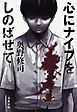
『嫌われる勇気』という本を読んだとき、他者の課題と自分の課題を分けるという考え方を学んだけど、この本を読んでる間、その考え方を思い出していた
被害者家族は、高校生の息子を殺されたときから時間が止まり、過去も未来もなくなり、何十年経っても傷が癒えることは無い
一方、加害者の少年Aは、少年法に守られ、社会に復帰して弁護士として成功し、被害者家族には一切謝罪もせず、賠償金も払わず、"立派に更生"している
著者と大人になった少年Aとのやり取りは、読んでいて腸が煮えくり返るけど、少年Aが反省するかどうか、謝罪するかは少年Aの課題
反省しなさい、謝罪しなさいと少年Aに強いることは、他者の課題に踏み込むことになる(これが苦しみの種になる)
被害者のお父さんは、自分自身と残された家族とが何とか生き続けていくことで精一杯だったから、結果的に自分の課題に必死に取り組み続けている中で寿命を終えた
あまりにも不公平だし不条理だけど、どこかに希望を見出すとしたら、"残された家族を守る"というこのお父さんの壮絶な意地にそれを見出したい
This is a book introduced in Kota Ishii's "The Art of Writing Books," but please be aware that it deals with a heavy theme.
When I read the book "The Courage to Be Disliked," I learned the concept of separating others' tasks from my own. While reading this book, this way of thinking stayed with me.
The families of victims stopped in time from the moment their high school son was killed; there is neither past nor future, and no matter how many decades pass, their wounds never heal.
On the other hand, the perpetrator, Juvenile A, is protected by the Juvenile Law, has successfully reintegrated into society and become a lawyer, without offering any apology or compensation to the victims' families, seemingly "rehabilitated."
The exchanges between the author and the now adult Juvenile A make one's guts boil with anger while reading, but whether Juvenile A repents or apologizes is Juvenile A's own task. Forcing Juvenile A to repent or apologize would mean stepping into another person's task, which becomes a source of suffering.
The victim's father was barely holding on to live along with his family, and as a result, he spent his life desperately working on his own tasks. It is extremely unfair and absurd, but if there is any hope to be found, I would like to see it in the father's fierce determination to "protect the remaining family."