

国際 - Japan Publishing Industry Foundation for Cultureの検索結果
検索のヒント

検索のヒント

■キーワードの変更・再検索
記号を含むキーワードや略称は適切に検索できない場合があります。 略称は正式名称の一部など、異なるキーワードで再検索してみてください。
■ひらがな検索がおすすめ!
ひらがなで入力するとより検索結果に表示されやすくなります。
おすすめ例
まどうし
つまずきやすい例
魔導士
「魔導師」や「魔道士」など、異なる漢字で検索すると結果に表示されない場合があります。
■並び順の変更
人気順や新着順で並び替えると、お探しの作品がより前に表示される場合があります。
■絞り込み検索もおすすめ!
発売状況の「新刊(1ヶ月以内)」にチェックを入れて検索してみてください。
-
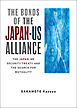
The Bonds of the Japan-US Alliance
The Japan-US Security Treaty was first signed in 1951, coinciding with the end of Allied occupation and Japan’s recovery of independence in the early postwar era, and subsequently revised in 1960 to correct various inadequacies and alleviate a sense of inequality felt on the Japanese side. Its basic structure, namely providing bases in exchange for the guarantee of US security of Japan, however, remains unchanged. This English edition of diplomatic historian SAKAMOTO Kazuya’s highly acclaimed Nichi-Bei domei no kizuna (The Bonds of the Japan-US Alliance; 2000, rev. ed. 2020), winner of the 22nd Suntory Prize for Social Sciences and Humanities, carefully depicts the sensitive negotiations and diplomatic finesse behind the establishment and revision of the Japan-US Security Treaty, highlighting the challenges experienced by the two countries to promote mutuality then and later. Drawing on previously undisclosed confidential documents and new research developments on the issue of secret agreements, which were brought to light during the Ministry of Foreign Affairs investigation in 2009-10, the author added a new chapter with updated notes for his revised 2020 edition. Examining the far-reaching implications of these new historical materials, he puts forward the pressing question: What should be the future of Japan-US security cooperation? -
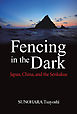
Fencing in the Dark: Japan, China, and the Senkakus
Sino-Japanese relations were seriously rattled in September 2010 when a Chinese fishing boat rammed a Japanese Coast Guard patrol ship in Japanese waters off the Senkaku Islands. This was compounded in April 2012 when Tokyo Governor Ishihara Shintaro announced that he planned to buy the islands and added, “if this means war with China, so be it.” Alarmed at the prospect of Ishihara owning the islands, Democratic Party of Japan prime minister Noda Yoshihiko moved to see if there was some way the government could buy them instead, even knowing this would be seen as nationalization. Top officials in foreign policy, defense, and other areas met at Kantei (officially the Prime Minister’s Official Residence, but actually his offices) to find an out that would pre-empt Ishihara without provoking China (which also claimed the islands). This book tells the gripping story of what happened and why. -
 完結
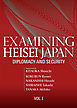
完結Examining Heisei Japan
The passing of Emperor Sh-owa marked the end of an era―an era memorable in both war and peace. As is the custom, the new emperor’s reign was given a new name, in this case “Heisei,” but this did not mean a reset on the international stage. The persistent diplomatic issues remained, and, furthermore, new issues arose. Promoting global peace and stability, preventing natural disasters, relations with China, regional cooperation, Japan’s role in the international order are just some of the many outstanding issues. How did Japan approach them and deal with them? What was accomplished and what still needs to be done? Given the issues’ paramount importance for both Japan and the world at large, this anthology brings together influential essays published by five of Japan’s leading scholars during the period.