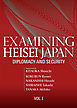
The passing of Emperor Sh-owa marked the end of an era―an era
memorable in both war and peace. As is the custom, the new
emperor’s reign was given a new name, in this case “Heisei,” but this
did not mean a reset on the international stage. The persistent diplomatic
issues remained, and, furthermore, new issues arose. Promoting
global peace and stability, preventing natural disasters, relations with
China, regional cooperation, Japan’s role in the international order are
just some of the many outstanding issues. How did Japan approach
them and deal with them? What was accomplished and what still
needs to be done? Given the issues’ paramount importance for both
Japan and the world at large, this anthology brings together influential
essays published by five of Japan’s leading scholars during the period.
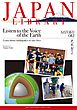
“I wrote this book in the hope that readers will be able to save their own lives as well as those of the ones they love when an earthquake next strikes, so that the tragedy of March 11, 2011, would never be repeated.” ―Satoko Oki
What our chatty planet teaches us
Would you be surprised to hear that there are scientists who listen to the Earth? Yes, the Earth does talk in many different voices?the voice of the air, the voice of the sea, the voice of volcanoes, and the voice of the Earth. Seismologists listen to the voice of the Earth.
We use high performance seismometers that do not miss the slightest muttering by the Earth that human ears cannot hear. That way, we can learn about what causes earthquakes and even what it is like inside the planet.
Earthquakes occur because it is hot inside the planet?because the Earth is dynamic. We cannot escape earthquakes as long as we live on the Earth. But from listening to the planet, seismologists have discovered what causes earthquakes and how we can live with them to protect our lives.