

OKAMOTO Takashiの検索結果
検索のヒント

検索のヒント

■キーワードの変更・再検索
記号を含むキーワードや略称は適切に検索できない場合があります。 略称は正式名称の一部など、異なるキーワードで再検索してみてください。
■ひらがな検索がおすすめ!
ひらがなで入力するとより検索結果に表示されやすくなります。
おすすめ例
まどうし
つまずきやすい例
魔導士
「魔導師」や「魔道士」など、異なる漢字で検索すると結果に表示されない場合があります。
■並び順の変更
人気順や新着順で並び替えると、お探しの作品がより前に表示される場合があります。
■絞り込み検索もおすすめ!
発売状況の「新刊(1ヶ月以内)」にチェックを入れて検索してみてください。
-
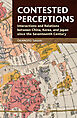
Contested Perceptions
The histories of China, Korea, and Japan have been intimately intertwined for centuries. But of these three countries, it was Korea that occupied the pivotal geopolitical position. The Korean Peninsula shaped the dynamics of international interactions and relations in East Asia which, up until the start of the twentieth century, were underpinned by systems of order wholly removed from the sovereign state system we recognize as ubiquitous today. Contested Perceptions examines the coexistence of “neighborly relations” between Japan and Korea and “tributary relations” between Korea and the Qing dynasty from the seventeenth to the nineteenth century, and Korean “tributary autonomy” in the late nineteenth century. It provides a cogent analysis of the differing perceptions that determined the success or failure of these past systems of order and their influence upon the balance of power in East Asia from the seventeenth century to modern times. Delving into the history of East Asian international relations, diplomacy, and power politics, this book elucidates the events that led to the Sino-Japanese and Russo-Japanese wars, and the conflicts of interest that have defined these nations up to the present day. -
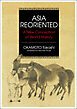
Asia Reoriented
Nomads, farmers, and trade: world history was born where these elements intersected. In this reconceptualized view, respected Japanese historian OKAMOTO Takashi locates history’s crucible in the boundary zones between settled agriculturists and nomadic peoples, where the Silk Road emerged as an early engine of trade and culture. Okamoto presents a new historical narrative which overturns Eurocentric perceptions of history, boldly and clearly reconfiguring the structure of world history in terms of economic ebbs and flows. When Asian military forces took to horseback some three thousand years ago, commercial capital developed that linked remote regions, innovating technologies, increasing productivity, and eventually culminating in the Mongol Empire. Their control of the Silk Road connected them with Near Eastern empires at the road’s western terminus, enriching the Greek and Roman civilizations of the Mediterranean world. But as crucial trade routes moved from inland to the coast during the Age of Discovery, the center stage of history shifted to Europe, which evolved its own financial and navigational technologies to win the global economic game. Looking anew at history from this perspective forces a reconsideration of accepted notions from “Greco-Roman civilization,” the “European miracle,” and the “Great Divergence” to “Japan’s modernization.” Through his unique overview of the whole of Eurasia and the maritime realm, from ancient times to the present, the author reorients our view of Asia’s role in global history.