

松本亮平の検索結果
検索のヒント

検索のヒント

■キーワードの変更・再検索
記号を含むキーワードや略称は適切に検索できない場合があります。 略称は正式名称の一部など、異なるキーワードで再検索してみてください。
■ひらがな検索がおすすめ!
ひらがなで入力するとより検索結果に表示されやすくなります。
おすすめ例
まどうし
つまずきやすい例
魔導士
「魔導師」や「魔道士」など、異なる漢字で検索すると結果に表示されない場合があります。
■並び順の変更
人気順や新着順で並び替えると、お探しの作品がより前に表示される場合があります。
■絞り込み検索もおすすめ!
発売状況の「新刊(1ヶ月以内)」にチェックを入れて検索してみてください。
-
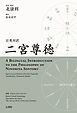
日英対訳 二宮尊徳
A Bilingual Introduction to the Philosophy of Ninomiya Sontoku Discover the timeless Japanese values behind modern Japan’s spirit. In 1912, Canadian missionary R.C. Armstrong published a remarkable book in the United States about a humble yet influential Japanese thinker: Ninomiya Sontoku. Though born into poverty as a farmer, Sontoku’s teachings on ethics and diligence earned him national respect―and a place in Representative Men of Japan by Uchimura Kanzo, a renowned Japanese Christian thinker. ・ “Though a farmer, he possessed the true spirit of the samurai.” - R.C. Armstrong ・ “He surpasses many of the great sages of the East.” ・ “His philosophy perfectly aligns with the spirit of Christ.” Now, this long-forgotten work is revived in a bilingual (Japanese-English) edition, restructured for today’s readers. It features key excerpts from Armstrong’s original 1912 text alongside clear modern commentary by renowned Japanese biographer Kita Yasutoshi. Who Was Ninomiya Sontoku? A self-taught moral philosopher from rural Japan, Sontoku taught values such as hard work, gratitude, social duty, and ethical leadership. His ideas still echo in Japanese society today―in the precision of a train conductor, the humility of a shopkeeper, and the quiet sense of responsibility in everyday life. A Unique Reading Experience This book offers two distinct English voices: ・ Armstrong’s early 20th-century prose, rich in historical tone ・ Kita’s modern English commentary, providing clarity and insight Rather than a full translation of the original, this edition presents a carefully selected collection of its most powerful and relevant parts. Armstrong, with the help of Japanese Christians, based his study on authentic sources like the Hotoku-ki (a biographical account of Sontoku’s life) and Ninomiya O Yawa (a collection of stories and teachings attributed to him). In his preface, Armstrong wrote: “I have attempted to bring out, wherever possible, the common human side of Japanese character… and hope that what is here presented may at least help to give those who read it a broader sympathy for that wonderful people.” Whether you're interested in Japanese culture, Eastern philosophy, or timeless moral teachings, this book offers a rare and rewarding perspective on the values that continue to shape Japan.