

社会学 - Japan Publishing Industry Foundation for Cultureの検索結果
検索のヒント

検索のヒント

■キーワードの変更・再検索
記号を含むキーワードや略称は適切に検索できない場合があります。 略称は正式名称の一部など、異なるキーワードで再検索してみてください。
■ひらがな検索がおすすめ!
ひらがなで入力するとより検索結果に表示されやすくなります。
おすすめ例
まどうし
つまずきやすい例
魔導士
「魔導師」や「魔道士」など、異なる漢字で検索すると結果に表示されない場合があります。
■並び順の変更
人気順や新着順で並び替えると、お探しの作品がより前に表示される場合があります。
■絞り込み検索もおすすめ!
発売状況の「新刊(1ヶ月以内)」にチェックを入れて検索してみてください。
-
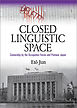
Closed Linguistic Space: Censorship by the Occupation Forces and Postwar Japan
The United States postwar occupation of Japan likes to boast of having given the Japanese freedom of expression and freedom of the press. True, it freed the Japanese press from many wartime constraints. But at the same time, it imposed a large number of new constraints, replacing wartime censorship by the Japanese government with postwar censorship by the American occupation authority. Even before the war ended, planning for the occupation included a censorship and public relations efforts that would work to “re-educate” the Japanese and fold them into the postwar American international order. Similar efforts were made in Germany, but the effort in Japan was far more sweeping and far more sustained. This book documents that history in detail with extensive reference to primary resources held in U.S. archives and elsewhere. Was the occupation successful in reshaping the Japanese mindset? Citing not only the postwar Constitution but also, among other things, the widespread belief in the Tokyo Trials’ validity, Eto argues doggedly that it was so successful that its pernicious influence persists even today. Yet the heart of this heavily researched book is its meticulous documentation of how this censorship was planned and enforced.